
Why Do You Need a Structural Engineer for a Loft Conversion?
A loft conversion can be one of the smartest ways to add space and value to your home without moving. But before you start thinking about layouts, windows, and finishes, there is one key question to answer: do you need a structural engineer for a loft conversion?
In most cases, yes. A loft conversion changes how your home carries weight. New floors, altered roof structures, dormers, stairs, and steel beams all affect the building’s stability. A structural engineer makes sure the design is safe, practical, and ready for construction.
What does a structural engineer do for a loft conversion?
A structural engineer designs the structural elements that make the conversion work. That includes checking how the existing house is built, calculating loads, and specifying the supports needed for the new space.
This often includes:
- Designing new floor structures
- Specifying steel beams and timber supports
- Assessing load-bearing walls
- Checking roof alterations and dormer openings
- Designing connections between new and existing structure
- Producing structural calculations for Building Control
In simple terms, the architect may design the space, but the structural engineer makes sure it can actually be built safely.
Why is structural engineering important in a loft conversion?
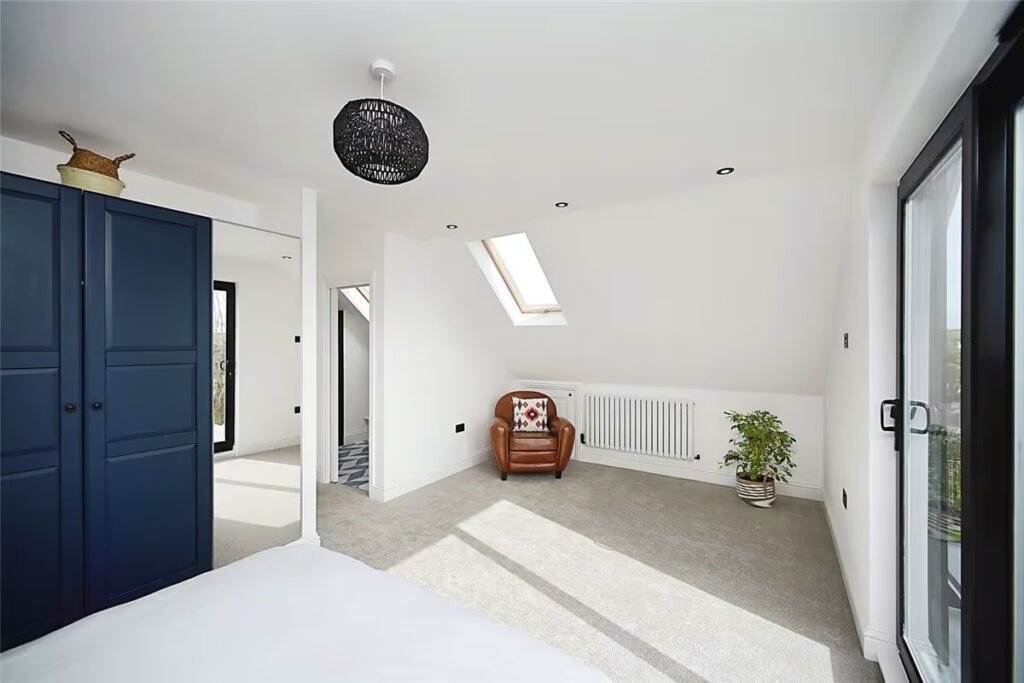
Most lofts were never designed to be used as living space. The existing joists may not be strong enough for a bedroom, office, or bathroom. The roof may also need altering to create head height or allow for dormer construction.
Without proper structural design, you risk:
- Bouncy or unsafe floors
- Cracking in ceilings and walls below
- Roof spread or structural movement
- Delays with Building Control approval
- Costly changes during construction
Good structural design helps avoid guesswork and gives your builder clear information from the start.
Do you need a structural engineer for Building Control?
In most loft conversion projects, Building Control will require structural calculations. These calculations show that the new floor, beams, roof changes, and other structural elements are suitable for the loads involved.
That means a structural engineer is usually essential, not optional. If you are removing supports, adding dormers, inserting steels, or changing the roof structure, professional calculations will normally be needed.
What parts of a loft conversion usually need structural design?
Every project is different, but common structural elements include:
- New floor joists
- Steel beams to support the floor and roof
- Trimmers around stair openings
- Dormer structures
- Ridge beam or rafter alterations
- Support to load-bearing walls below
This is why loft conversions need more than just a design idea. They need a structure that works safely with the existing house.
Can a builder handle this without a structural engineer?
A good builder is essential, but builders should not be expected to guess structural design. Loft conversions often involve hidden conditions, load paths, and calculations that need proper engineering input.
Relying on assumptions can lead to overbuilding, under-supporting, or expensive corrections later. A structural engineer gives the builder a clear plan, which helps the project run more smoothly and reduces risk on site.
When should you involve a structural engineer?
The best time is early, ideally while the loft conversion is still being planned. Early input helps the architect, designer, and builder work from the same structural logic and can prevent redesigns later.
You should speak to a structural engineer if you are:
- Planning a loft conversion in an existing home
- Adding a dormer or changing the roof shape
- Unsure whether walls below can carry new loads
- Creating a new staircase opening
- Looking for structural calculations for Building Control
Early advice usually saves time, money, and stress.
How a structural engineer helps save money
Many homeowners assume structural engineering is just another cost. In reality, it often protects the budget.
The right design can help:
- Avoid unnecessary steel or over-engineering
- Reduce delays during construction
- Prevent costly structural mistakes
- Support smoother approval with Building Control
- Give builders accurate information for pricing
That means better decisions before work starts and fewer surprises once the build is underway.
If you are planning a loft conversion, a structural engineer plays a key role in making sure the project is safe, compliant, and buildable. From floor design and steel beams to roof alterations and Building Control calculations, the structure needs to be right before the conversion can move forward with confidence.
If you want clear advice before starting your loft conversion, Sussex Structural Engineers can help assess your project and provide practical structural design that keeps your build moving.
Need structural advice for your loft conversion?
Planning a loft conversion in Sussex? Speak to Sussex Structural Engineers for clear, practical advice on floor design, steel beams, roof alterations, and structural calculations.