
5 Structural Mistakes That Cause Expensive Delays
Delays in residential construction rarely come from one dramatic failure. More often, they come from small structural mistakes made early, then discovered too late. For homeowners, developers, architects, and builders, those mistakes can mean redesign fees, site downtime, Building Control issues, and rising labour costs.
At Sussex Structural Engineers, we see the same pattern again and again: projects slow down when structural thinking comes in too late or is treated as a box-ticking exercise. Good engineering is not just about calculations. It is about keeping a project buildable, compliant, and moving.
1. Bringing in the structural engineer too late
One of the most common mistakes is waiting until the layout is fixed before involving a structural engineer. By that point, the design may already include spans, openings, or load paths that are expensive to correct.
Early structural input helps identify practical solutions before planning, pricing, and construction decisions are locked in. It also reduces the risk of redesign once the builder starts asking real-world questions.
Why it causes delays:
- Drawings need revising
- Steel sizes or support locations change
- Builders pause while details are reworked
- Costs increase due to reactive redesign
2. Assuming every wall can be removed
Open-plan living is popular, but not every wall can be removed without consequences. Homeowners and even some contractors underestimate how much load a wall may be carrying, especially in older properties.
Removing or altering a load-bearing wall without proper assessment can trigger urgent redesign, temporary works, and Building Control concerns. In the worst cases, work stops until safe structural details are provided.
Why it causes delays:
- Site work is paused pending calculations
- Additional steel or padstones may be required
- Unexpected support details affect layout and finishes
- Building Control may request further evidence
3. Using incomplete site information
Structural design is only as good as the information behind it. Missing dimensions, unclear architectural drawings, unknown existing construction, or no site investigation can all lead to wrong assumptions.
This is especially risky in extensions, loft conversions, and renovation projects where the existing structure may differ from what is shown on drawings.
Why it causes delays:
- Revised calculations are needed after site discovery
- Materials already ordered may no longer suit
- Builders need clarification before continuing
- Programme slips while updated details are issued
4. Treating Building Regulations as an afterthought
Some projects move forward with planning drawings and assume structural compliance can be sorted later. That approach often creates friction once Building Control, the builder, or the fabricator needs proper information.
Structural calculations, connection details, and compliant drawings should support the build from the start, not be rushed mid-project.
Why it causes delays:
- Approval queries take time to resolve
- Missing details hold up fabrication or installation
- Builders work around uncertainty instead of following a clear package
- Retrospective submissions create avoidable admin and stress
5. Choosing the cheapest engineering option instead of the right one
Cheap engineering can become very expensive when drawings are unclear, communication is slow, or the design is not practical to build. A low fee at the start often leads to more questions, more amendments, and more downtime on site.
The right structural engineer does more than produce numbers. They help the team make decisions quickly, coordinate with architects and builders, and keep the project moving.
Why it causes delays:
- Slow response times leave site teams waiting
- Poor coordination creates clashes on site
- Overly theoretical designs are harder to build
- Multiple revisions eat into programme and budget
How to avoid these delays
The best way to avoid structural delays is to involve the right engineer early, provide accurate project information, and make sure the structural package is clear, practical, and aligned with Building Regulations.
A good structural design should simplify construction, not complicate it. It should help your architect, builder, and Building Control officer work from the same page.
If you are planning an extension, loft conversion, renovation, or new build, getting the engineering right early can save weeks of delay and a significant amount of avoidable cost.
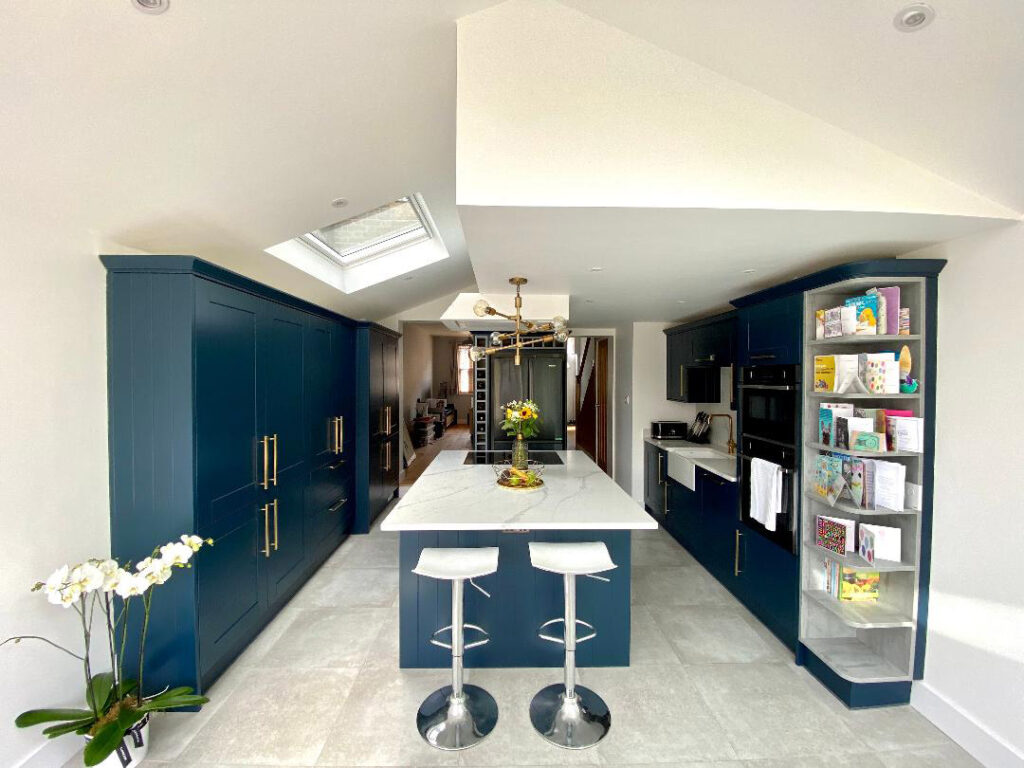
Most expensive delays are preventable. They do not usually come from bad luck. They come from late decisions, missing information, and poor coordination.
Strong structural engineering keeps a project buildable, compliant, and on schedule. That is the difference between a smooth build and a stressful one.
If you want expert structural calculations and practical advice for your next residential project, Sussex Structural Engineers can help.