Common Structural Issues Found in Older Sussex Homes

Older homes across Sussex have real character, but they can also come with structural surprises. From period cottages and Victorian terraces to larger detached properties, age often brings movement, wear, and hidden defects that are not always obvious at first glance.

The good news is that not every crack means disaster. In many cases, the issue is manageable once the cause is properly understood. The key is getting clear structural advice early, before a small problem turns into a more expensive one.

Why older Sussex homes can develop structural issues

Older properties were built with different materials, methods, and standards than homes today. Over time, foundations settle, timber ages, moisture gets into the structure, and previous alterations can weaken key parts of the building.
In Sussex, local factors can also play a part, including:
  • Coastal exposure in some areas
  • Ground movement and changing soil conditions
  • Long-term water ingress
  • Poor-quality past renovations
  • Structural changes were made without proper calculations

These issues do not always mean a property is unsafe, but they do mean it is worth investigating concerns properly.

Cracks in walls and ceilings
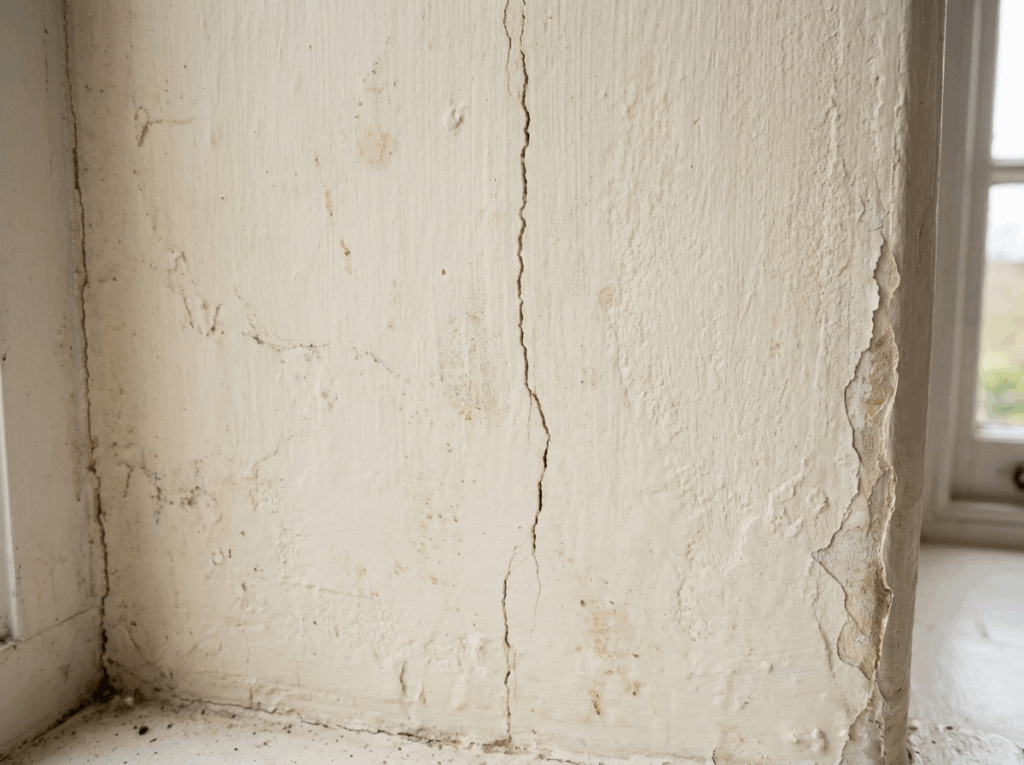
Cracks are one of the most common concerns in older homes. Some are cosmetic. Others can point to movement that needs attention.
 
You may want structural advice if:
  • Cracks are wider than a few millimetres
  • Cracks keep getting bigger
  • Cracks appear around doors, windows, or extensions
  • Doors or windows start sticking at the same time
  • Cracks run diagonally rather than just along plaster lines

The important thing is not to guess. A structural engineer can help identify whether the issue is surface-level or linked to movement in the building.

Movement and settlement
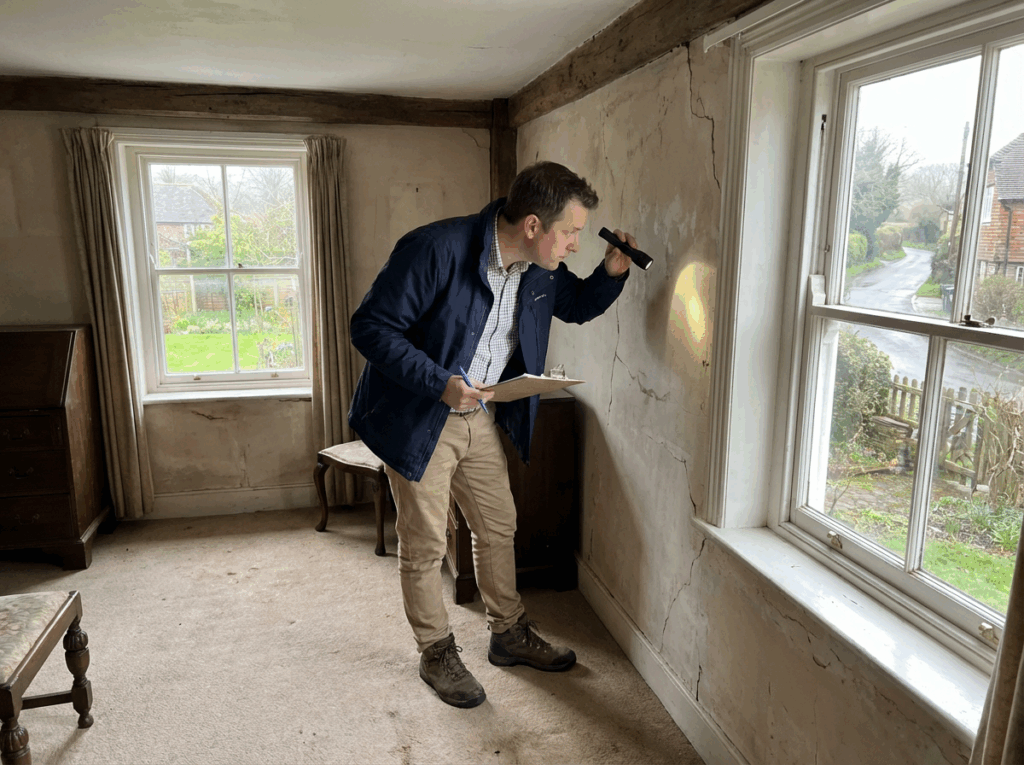
Many older homes have experienced some settlement over the years. That alone is not unusual. The concern is whether the movement is historic and stable, or ongoing.
 
Signs of possible structural movement include:
  • Sloping floors
  • Uneven ceilings
  • Gaps around skirting boards or window frames
  • Cracks that reopen after repair
  • Visible distortion in walls

Understanding the cause matters. It could be minor age-related movement, or it could be linked to foundations, drainage, nearby trees, or previous building work.

Problems caused by removing load-bearing walls

Open-plan living is popular, but many older homes were not designed for large open spaces. If a wall has been removed without proper support, the structure above may be under strain.
 
Warning signs can include:
  • Sagging ceilings
  • Bouncy floors
  • Cracking above openings
  • Visible deflection in beams or lintels

This is especially common in properties that have been altered over time without proper structural calculations. A structural engineer can assess whether the right support is in place and what needs to be done if it is not.

Roof spread and timber issues
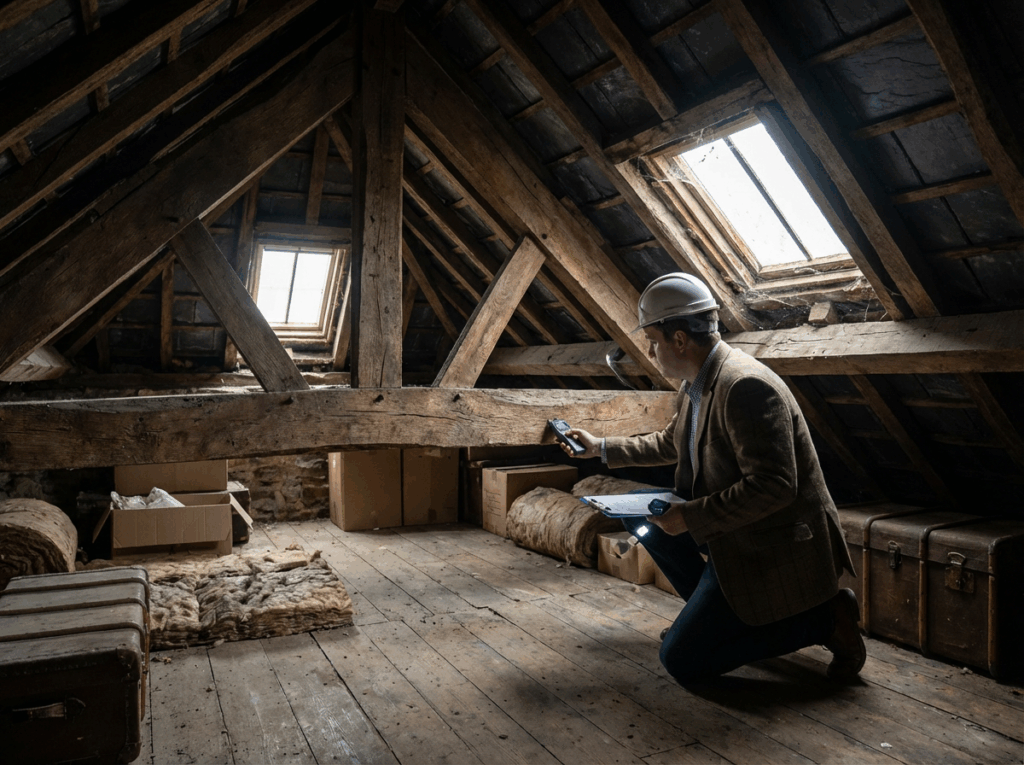
In older Sussex homes, roof structures can weaken over time. Timber may decay, connections may loosen, and the roof can begin to spread outward, pushing on the walls below.
 
Common signs include:
  • Bowing or leaning walls
  • A sagging roofline
  • Cracks at the top of upper-floor walls
  • Signs of timber rot or damp in the loft

Roof issues often worsen slowly, which makes them easy to miss until the repair becomes more involved.

Damp-related structural damage

Damp is not just a cosmetic issue. Over time, water ingress can affect timber, masonry, and embedded steel. In older homes, long-term moisture can weaken structural elements and lead to rot or deterioration.
 
Areas to watch include:
  • Timber floor joists
  • Roof timbers
  • Lintels
  • Basement or lower-ground walls
  • Chimney breasts and parapets

If damp has been present for a long time, it is worth checking whether the structure itself has been affected.

Foundation concerns and local ground conditions

Some older homes in Sussex may be more vulnerable to movement caused by shallow foundations, changing moisture levels in the soil, or nearby vegetation. Extensions added later can also behave differently from the original house, which sometimes leads to cracking where the two meet.
This does not always mean major failure, but it does mean the foundation design and ground conditions may need closer review.

When should you call a structural engineer?

You should consider speaking to a structural engineer if you notice recurring cracks, sloping floors, movement around openings, roof sagging, or signs that previous alterations may not have been properly supported.
 
It is also a smart step before:
  • Buying an older property
  • Renovating a period home
  • Removing internal walls
  • Extending or converting the loft
  • Repairing suspected movement or structural damage
 

Need expert advice on an older Sussex property?

If you are worried about cracks, movement, or signs of structural damage, getting expert advice early can save time, money, and stress. Sussex Structural Engineers provides clear, practical guidance for homeowners, buyers, developers, and renovation projects across Sussex.
 
Whether you need structural calculations, an assessment of movement, or advice before making alterations, the team can help you understand the issue and the next best step.

Final thought

Older Sussex homes can be beautiful, solid, and full of character, but they need informed care. The earlier a structural issue is assessed, the easier it usually is to manage. Good advice helps you separate cosmetic concerns from genuine structural problems and gives you a clear path forward.
If you are concerned about movement, cracking, or past alterations in an older property, Sussex Structural Engineers can help you move forward with confidence.
Scroll to Top